

Ask ten bakers what a cake should cost and you will get ten different answers. Ask them to price it per serving and the answers start to line up.
Per-serving pricing gives you a defensible starting number: a base rate for every slice the cake feeds, before you adjust for design. It is the same method wedding venues, caterers, and established cake studios use, and it scales cleanly from a six-inch birthday cake to a four-tier centerpiece.
Start with a base rate
Your base rate is what one serving costs when the cake is simple — a single flavor, a smooth finish, no sculpting. Work it out from your real numbers: ingredients, packaging, the time it takes you, and a share of your overhead. If you have never done this, the pricing calculator will walk you through it in a couple of minutes.
Most cottage bakers land somewhere between a few dollars and eight-plus per serving depending on their market and finish. The exact figure matters less than having one you can explain.
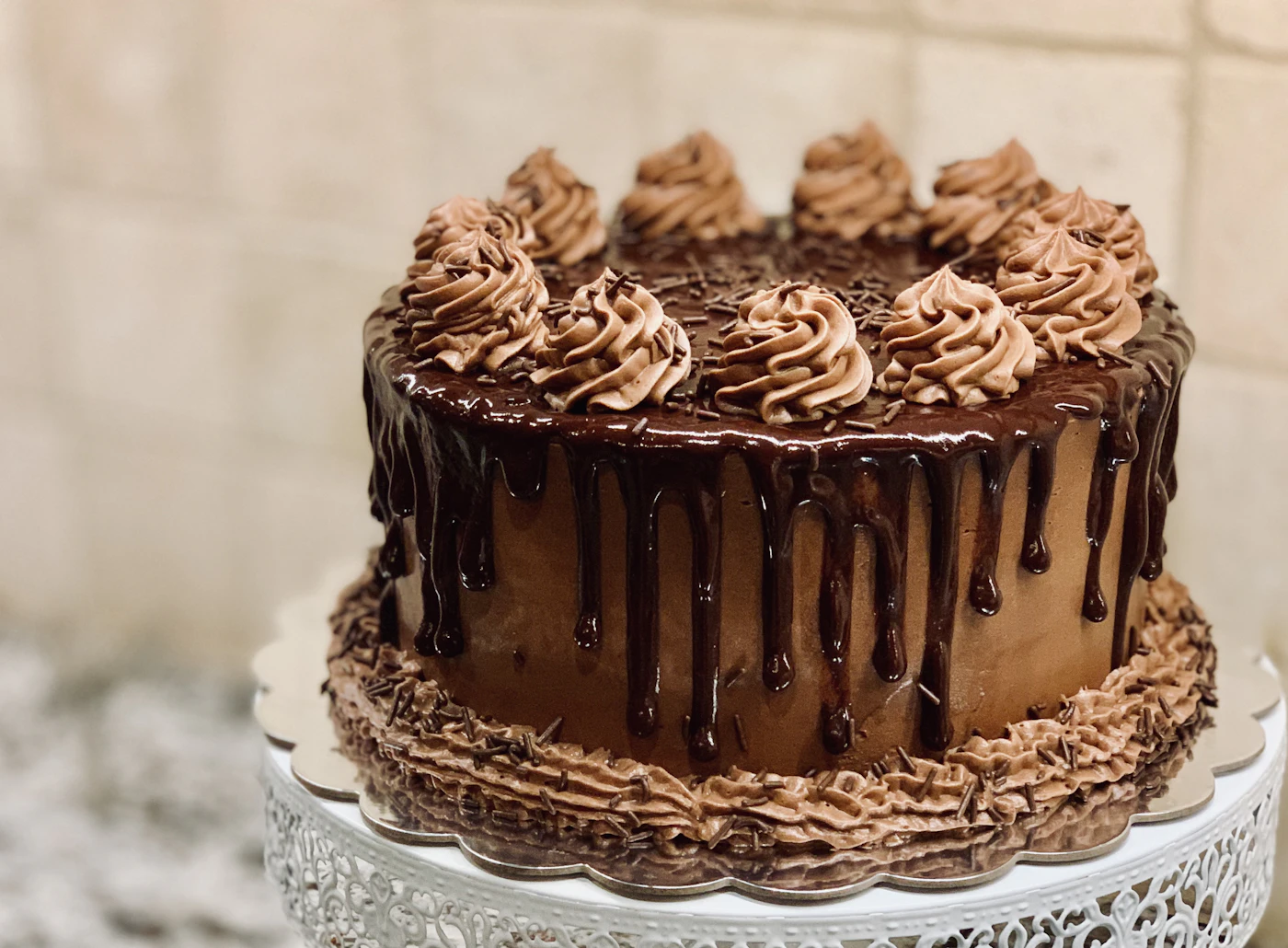
Adjust for complexity, not just size
Once you have a base rate, size mostly takes care of itself — more servings, more money. What the base rate does not capture is difficulty. Price that separately:
- Sculpted or carved shapes that take hours of extra work
- Sugar flowers, hand-painting, or intricate piping
- Multiple flavors or fillings in one order
- Rush timelines that reshuffle your week
Add these as their own line rather than inflating the per-serving number, so the quote stays easy to read and easy to defend.
Round to a real price
Per-serving math gives you a floor, not a final answer. Round up to a clean, confident number, sanity-check it against what the order is worth to you, and quote it without apology. If the math and your gut disagree, that is worth a second look before you send it.
Price the serving first, then the difficulty, and your quotes stop being a guess.